

Plenty of Westchester adults have been meaning to walk into a dispensary since New York legalized adult-use cannabis in 2021 and still have not, mostly because nobody explained the routine. The routine is simple. It looks a lot like a pharmacy counter crossed with a specialty food shop, and it takes about fifteen minutes.
What follows is the first visit, from the car or the train platform to the drive home.
Step one: make sure it is licensed
This is the step that matters most, because unlicensed storefronts still exist. The Office of Cannabis Management issues every licensed dispensary a Dispensary Verification Tool, a sticker with a QR code that the shop must post in the storefront. Scan it with your phone and it takes you to OCM's list of licensed adult-use dispensaries, where the shop should appear. Verify licensed status via the OCM QR code at cannabis.ny.gov every time you try a new shop.
The tell for an unlicensed shop is usually obvious once you know it: no verification sticker, a menu that looks too cheap, or a "gifting" arrangement where the cannabis is free with something else you buy. State guidance is direct that trading or "gifting" cannabis in exchange for anything, including a T-shirt or a sticker, is illegal.
The dispensary map lists licensed shops across the county.
Step two: know where the shops are
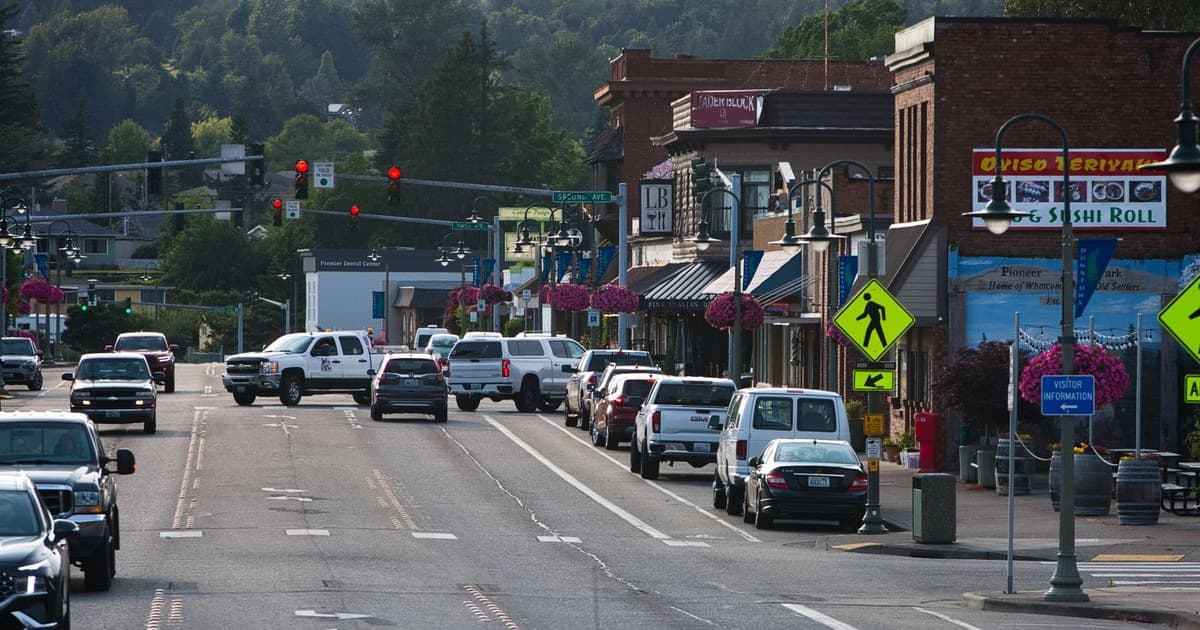
Not every Westchester municipality allows retail. In 2021, about two dozen local governments, including Scarsdale and Bronxville, opted out of hosting dispensaries, so some of the county's most walkable villages have no shop on Main Street. Retail clusters instead in the cities and larger towns, including Yonkers and White Plains. For commuters, that often means the stop is on the way home rather than in the home village.
Step three: bring ID
Adults 21+ only, and every licensed shop checks. Bring a valid government-issued photo ID. Many shops check it at the door before you reach the sales floor. An expired license, a photo of your license on your phone, or a friend vouching for you does not count.
Step four: read the menu like a label
The sales floor is organized by format: flower, pre-rolls, vapes, edibles, beverages, tinctures and concentrates. Staff, often called budtenders, can walk through the options, and the useful questions are about format, potency, flavor and aroma, and the grower or brand behind the product.
Every licensed product carries a state-compliant label listing THC and other cannabinoid content and the license information of the business that made it. Edibles are capped by regulation at 10 milligrams of THC per serving and 100 milligrams per package, and the serving size is on the label. If edibles are new to you, start low, go slow: one serving or less, and plenty of patience before anything more.
Step five: know the limit
Adults 21+ can possess up to 3 ounces of cannabis flower and 24 grams of concentrated cannabis, a category that includes edibles and oils. That is a generous ceiling for personal use, and almost nobody hits it on a first visit, but it is worth knowing before a large order of beverages for a party.
Step six: the checkout
Adult-use cannabis is taxed at the register at 13 percent: a 9 percent state tax and a 4 percent local tax. The local share stays in the county and the city, town or village where the sale happens, which is one reason the opt-out question keeps coming up in village board meetings. Expect the shelf price plus that 13 percent.
Payment varies by shop. Because cannabis remains federally illegal, many dispensaries lean on cash or debit, and some have an ATM on site. Check the shop's website before you go rather than discovering the policy at the counter.
Step seven: getting it home
This is the part commuters should read twice.
By car. Keep everything sealed and in a closed container in the trunk or a locked glovebox. Having an open container of any form of cannabis in the passenger area of a vehicle on a public road is illegal, and so is consuming cannabis in a vehicle, even as a passenger, even parked. Nobody drives after consuming. There is no legal limit for cannabis impairment; officers base the call on what they observe.
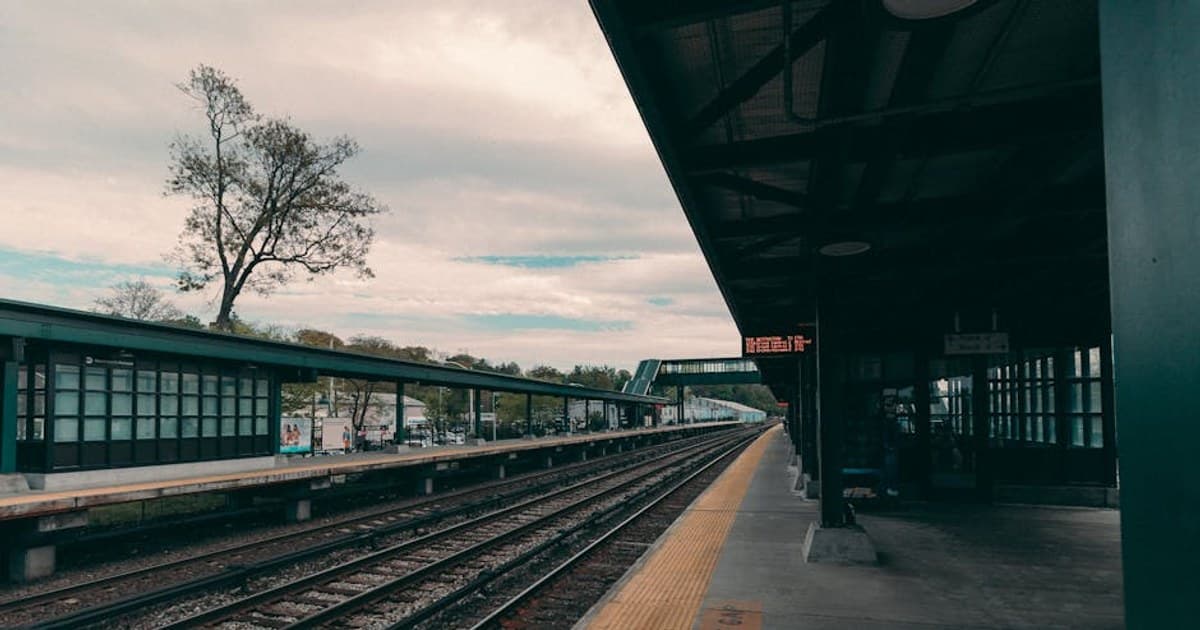
By train. A sealed purchase in your bag is fine on the way home. Smoking or vaping is not allowed anywhere tobacco smoking is banned, which covers trains, platforms and stations.
At home. Store products in their original child-resistant packaging, out of reach of anyone under 21 and away from pets.
Where consumption fits
New York state law prohibits cannabis consumption on state-owned land and in public spaces, and cannabis cannot be consumed in businesses, restaurants (including patios), most public and state parks, or beaches. The dispensary itself is a place to buy, not to consume. That leaves a private residence, or a rental or yard where the owner allows it. Landlords can ban smoking in apartment buildings, so renters should check the lease.
The first-visit checklist
- Scan the verification sticker before you walk in.
- Bring a valid government photo ID showing you are 21+.
- Know the format you want, or ask.
- Read the label: potency, serving size, license information.
- Budget for the 13 percent tax and check payment options.
- Sealed and in the trunk on the way home.
Current licensed options are on the dispensary map, and community events across the county are on the events calendar.